Smart Thermostats: Are They Worth It?
A smart thermostat won't fix a broken AC, but paired with a healthy system it's one of the few home upgrades that genuinely pays for itself.
July 30, 2026 · 2 min read
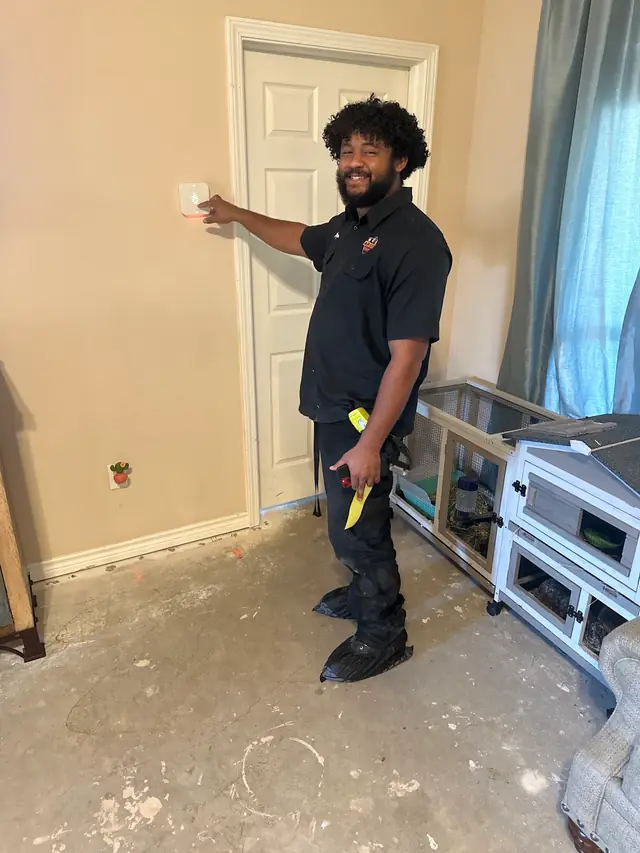
Smart thermostats have been around long enough now that we have real data on what they do and don't deliver. The short answer is that most homeowners who install one and use it well do save money, usually enough to recover the cost of the device within a year or two. But the degree of savings depends on how you set it up and how your home is built.
How They're Different from a Standard Thermostat
A basic programmable thermostat lets you set a schedule, say, 78 degrees while you're at work and 72 when you get home. A smart thermostat does that too, but it also learns your patterns over time, adjusts based on outdoor conditions, lets you control it from your phone, and often integrates with other smart home devices. Some models also give you energy reports so you can see exactly how much your system is running and when.
Popular Models Worth Knowing About
- Ecobee SmartThermostat: includes a remote room sensor so it reads temperature where you are, not just at the wall. Alexa built in. Works well with multi-zone homes.
- Nest Learning Thermostat: learns your schedule automatically after a few days without manual programming. Clean interface, strong energy history tracking.
- Honeywell Home T9: solid mid-range option with room sensors, works with most HVAC systems, simpler setup than Ecobee.
What Kind of Savings Are Realistic
The U.S. Department of Energy estimates that setting your thermostat 7 to 10 degrees higher for 8 hours a day while you're away can cut cooling costs by around 10 percent. A smart thermostat automates that adjustment so you don't have to think about it. Ecobee claims an average savings of 26 percent on heating and cooling, though that figure comes from homes switching from always-on thermostats without schedules.
In practice, a Houston homeowner who's already using a basic schedule on a programmable thermostat might see a more modest 10 to 15 percent improvement. Someone coming from a manual thermostat left at a fixed setting all day could see more. The remote sensor feature matters more than people expect in Houston homes, where a single-zone system tries to cool a two-story house, and the thermostat on the first floor never knows the upstairs is 5 degrees hotter.
What You Need for It to Work
Most modern AC systems installed in the last 15 years are compatible with smart thermostats. Older systems without a common wire (C-wire) may need an adapter or a small wiring addition, which a technician can handle quickly. The installation itself is straightforward for most systems, taking 30 to 60 minutes.
One thing worth knowing: a smart thermostat is not a fix for an underperforming system. If your AC can't keep up in August now, a new thermostat won't change that. Get the system in good shape first, then add the smart controls. In that order, you'll get the most out of both.
Air City AC & Heating — (713) 804-7005
Call (713) 804-7005More articles
When to Replace Your AC Unit vs Repair It
The right call depends on the age of your system, the cost of the repair, and how well your home is staying cool.
Why Your AC Runs Constantly in Houston Summers
Constant running isn't always a sign of a broken system, but it's always worth understanding why.