How to Improve Indoor Air Quality in Your Home
The air inside your home can be more polluted than the air outside, and Houston's humid climate adds a layer most homeowners don't account for.
June 18, 2026 · 2 min read
Most of us spend the majority of our time indoors, especially in Houston's summers when spending time outside feels more like an endurance test than a choice. That makes indoor air quality a real health concern, not just a comfort one. Dust, allergens, mold spores, and chemical vapors from cleaning products and building materials all accumulate inside your home, and the way your HVAC system handles them matters.
Filtration: Start Here
Your air filter is the first line of defense. A standard 1-inch fiberglass filter keeps large particles out of the blower motor but doesn't do much for dust mites, pet dander, or pollen. A pleated filter with a MERV rating of 8 to 13 captures much finer particles without putting too much strain on your system's airflow.
Change it every 30 to 90 days depending on how dusty your home is and whether you have pets. A dirty filter doesn't just let particles through, it restricts airflow and forces your system to work harder, which increases wear and your electricity bill at the same time.
Humidity Control Is Critical in Houston
Houston's outdoor humidity regularly sits above 70 percent, and that moisture finds its way inside. When indoor relative humidity climbs above 60 percent, mold and mildew thrive on walls, in ductwork, and on window frames. Dust mites also multiply more rapidly in humid conditions.
A properly sized and functioning AC system is your primary dehumidifier, it removes moisture from the air as part of the cooling process. But a system that's oversized for your home may cool the air quickly without running long enough to dehumidify properly, leaving you with a cool but clammy house. If your home feels humid even when the AC is running, a whole-home dehumidifier paired with your existing system can help significantly.
Ductwork and Ventilation
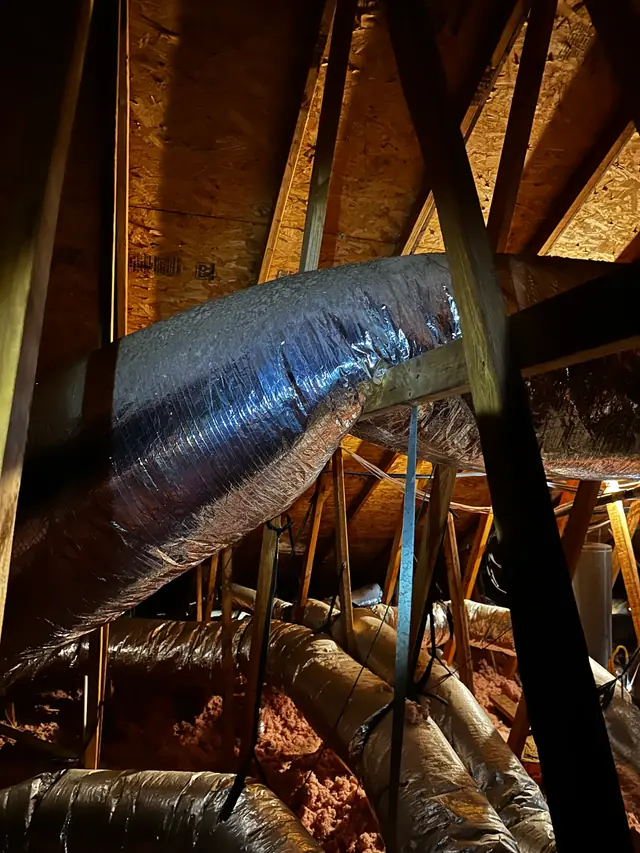
Leaky ducts pull unconditioned air from your attic into your living space. In Houston, attic air in summer is hot, humid, and full of insulation particles. Sealing duct leaks improves both air quality and system efficiency. Ask your technician to inspect duct connections during a maintenance visit.
Additional Steps Worth Taking
- Run kitchen and bathroom exhaust fans when cooking or showering to remove moisture at the source
- Keep indoor plants, which can introduce mold spores if soil stays too wet
- Vacuum with a HEPA-filter vacuum weekly, especially if you have pets
- Consider a UV air purifier installed in the air handler to reduce mold and bacteria in the duct system
- Have your ductwork professionally cleaned if the home is older or you're seeing visible dust at vents
Small changes add up. Better filtration, controlled humidity, and sealed ducts together make a meaningful difference in how your home feels and how healthy the air is for the people and pets living in it.
Air City AC & Heating — (713) 804-7005
Call (713) 804-7005More articles
When to Replace Your AC Unit vs Repair It
The right call depends on the age of your system, the cost of the repair, and how well your home is staying cool.
Why Your AC Runs Constantly in Houston Summers
Constant running isn't always a sign of a broken system, but it's always worth understanding why.